Small Adventures Close to Home
Find fresh reasons to head outside without waiting for a long weekend or a faraway trail.
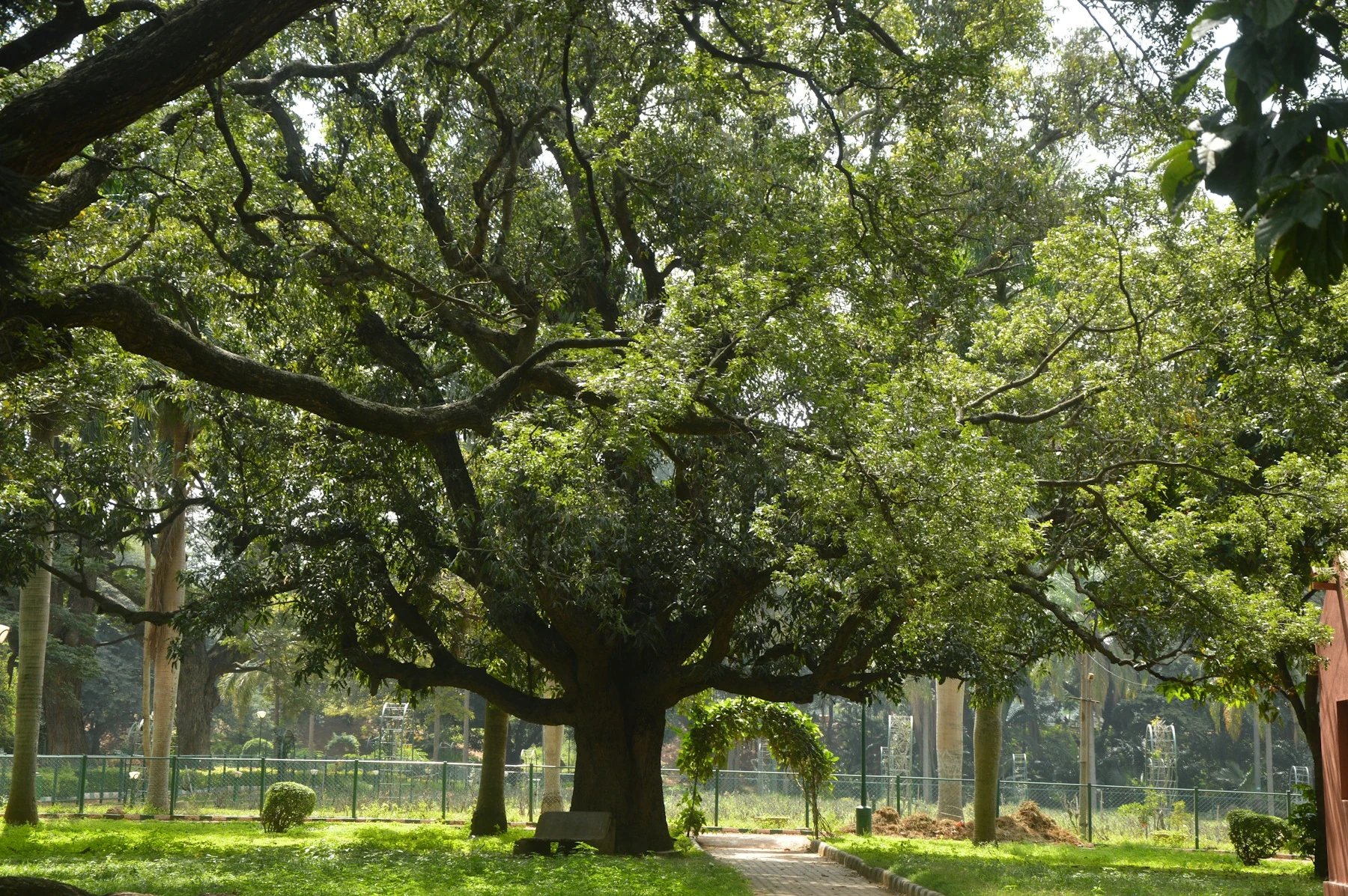
The places closest to home are easy to overlook. You pass the same stand of trees on the way to the store. You drive beside a creek without seeing where its path begins. A park you visited years ago becomes a name on a sign rather than somewhere you go.
Small adventures begin by looking again. They can fit into a free morning, an hour after lunch, or the quieter part of a weekend. The point is to make time outside easier to return to, not to make an ordinary walk sound grand.
Make a short list of nearby places
Start with three possibilities that are simple to reach: a neighborhood greenway, a city or county park, a waterside path, a nature preserve, or a familiar trail with a different entrance. Search your local parks department or land manager’s site for maps and current notices. If you are in the United States, the National Park Service’s trail finder is another starting point for nearby park trails.
Look for details that make an outing easy to say yes to: a clear trailhead, an obvious route, parking or transit that works for you, and enough information about length and surface to plan the walk. Keep one simple place on your list for days when you have little time. Keep another that offers a longer option when the day opens up.
You are building a small collection of invitations, not a checklist of places to conquer.
Give the walk a small purpose
A destination can be as modest as a bench with a view, the far side of a footbridge, or a patch of woods you have never entered. On other days, the purpose might be to notice what has changed: new leaves, lower water, a different bird call, or the light at another time of day.
Try a familiar route in a new way:
- Walk it in the opposite direction and see which details come into view.
- Take a friend who knows the area and let them choose a favorite turn.
- Stop at one place long enough to notice three things you would have missed while moving.
- Bring a small notebook or camera and record one detail from each visit.
These are reasons to look up, not tasks to finish. If the walk turns into a longer conversation or a quiet pause, it has done its job.
Build an easy hour outside
An hour can hold a satisfying outing when the logistics are light. Choose a route you can reach without a complicated drive. Decide where you will start and roughly when you will turn around. Check the weather and the local notice board before leaving, especially after heavy rain or seasonal changes.
Bring what the actual route calls for: comfortable shoes for its surface, water, a layer if conditions may change, and any personal essentials. A local path is still an outdoor setting, so match your preparation to its weather, remoteness, and facilities. The National Park Service’s Hike Smart guidance is a useful planning reference, especially when a “short walk” leads away from easy access to help.
Then leave a little unassigned time. Ten minutes on a bench can be the part you remember.
Return to the same place without repeating the day
Familiarity has its own reward. You learn which section gets muddy, where the afternoon shade falls, and when a path is pleasantly quiet. That knowledge makes the next outing simpler to plan. It also lets you notice small changes that a one-time visitor might miss.
You might choose one nearby route as a regular place to walk and keep a second for variety. If you want a longer day, extend the familiar route or connect it to another path after checking the map and conditions. If you want a gentler day, take the short version and leave plenty of time to stop.
When you feel ready for something new, choose a trail for the day you actually have. A little local experience makes it easier to judge what kind of route you will enjoy farther from home.
Let the place set the terms
Read posted signs and current guidance from the people who manage the park or path. Stay on designated routes where required, give others room to pass, and bring out what you bring in. Some places have seasonal closures or different rules for dogs and bicycles. Checking those details is part of caring for a place you hope to revisit.
You do not need a new destination every weekend to keep exploring. Sometimes the best start is ten minutes from your door, on a path that has been waiting for a second look.