How to Choose a Trail for the Day You Have
A practical way to choose a walk that fits your time, the conditions, and the people coming with you.
The trail you saved last month may still be a wonderful trail. It just may not be the right one for this Saturday. Perhaps you have a free morning instead of a full day. Perhaps rain has changed the footing, or a friend is joining you for the first time. A good choice begins with the day in front of you.
You do not need to find the most ambitious route within driving distance. You need one you can enjoy from the first step through the walk back to the car. Here is a simple way to make that decision.
Start with what you want from the outing
Before opening a trail app, finish this sentence: “Today, I want to…” Walk and talk with a friend? Spend a quiet hour among trees? Reach a particular view? Try a longer climb? The answer changes what “good trail” means.
If conversation is the point, a broad path with a gentle grade may give you more of it than a narrow, steep trail. If you want solitude, an early start on a familiar route may suit you better than traveling far to a popular viewpoint. If you want to test a new distance, choose a route with a clear place to shorten the walk if needed.
Write down your available time, including the drive, parking, breaks, and the return trip. That is the real size of your outing. An advertised “two-hour hike” will not leave much room to linger if you only have two hours away from home.
Read beyond the mileage
Distance is only the first line of a trail description. Look for five more details:
- Elevation change. A short route with a sustained climb can feel very different from a longer, level path. Notice where the climbing happens; a downhill start means an uphill return.
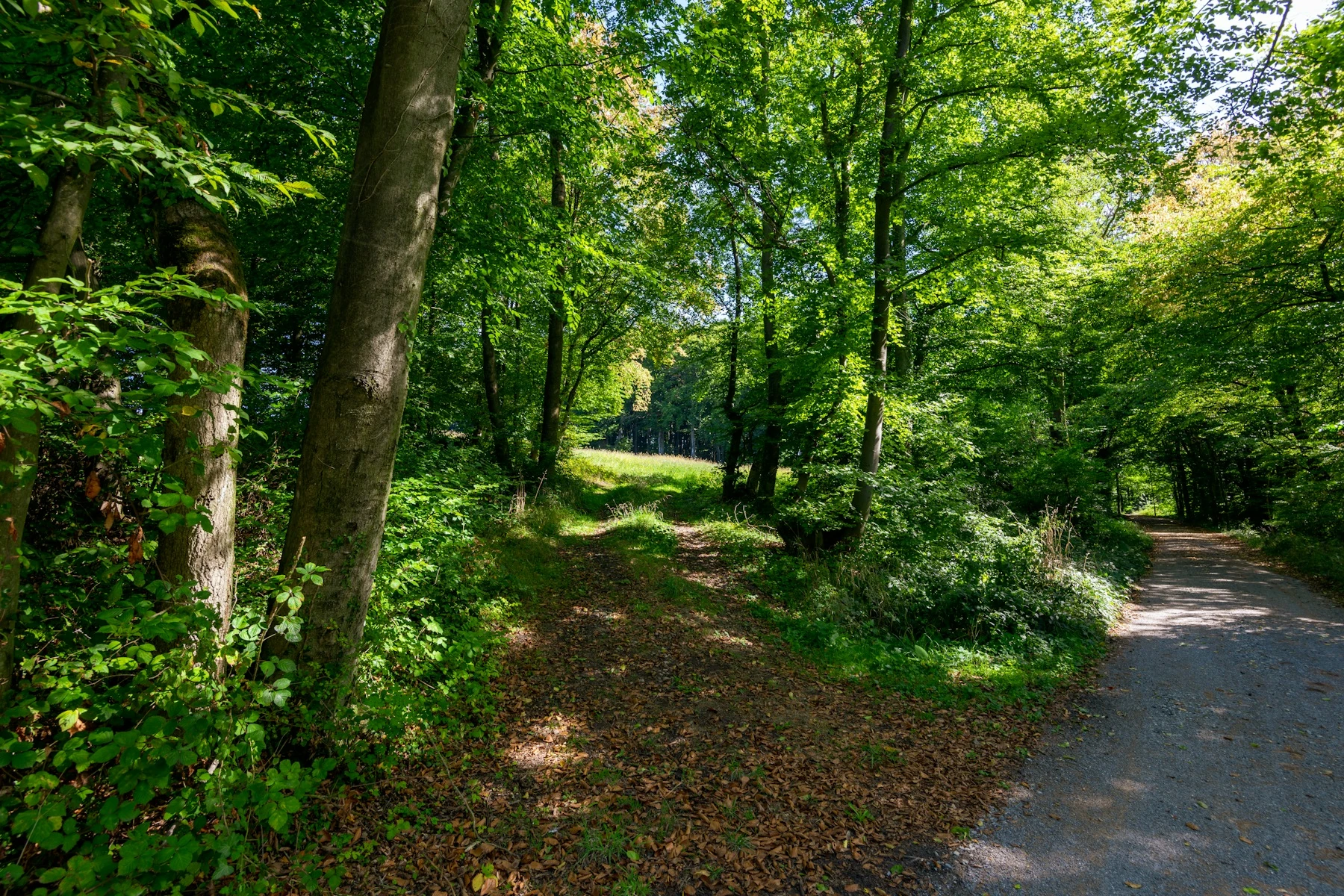
- Surface and footing. Paved path, packed dirt, loose stones, roots, boardwalk, and muddy sections ask different things of your shoes and attention.
- Route shape. A loop brings you back by a different way. An out-and-back makes the return familiar and gives you more chances to choose an earlier turnaround point.
- Exposure. Check for shade, open sun, wind, and places where weather could change the experience.
- Access. Confirm the trailhead, parking or transit, opening hours, fees, and whether a reservation or permit is needed.
One park’s “moderate” may be another person’s easy afternoon or hard day. Read the actual route details and recent official conditions instead of relying on a rating alone. The National Park Service notes that mileage, elevation, terrain, and weather all affect trail difficulty.
Let the conditions have a vote
Check the forecast for the trail location, not just your home. Then check the land manager’s current alerts for closures, damaged bridges, seasonal restrictions, or other route-specific changes. Recent rain can make a path slower; heat or strong sun can make an exposed climb less appealing. A forecast is a planning tool, not a promise.
Keep a nearby alternative in mind. If the ridge is windy or the trailhead is closed, a sheltered woodland path or shorter paved loop can still make the day worthwhile. The National Park Service recommends checking weather and park alerts and having a Plan B. That is good advice for any trail system, including local parks.
Match the route to everyone coming
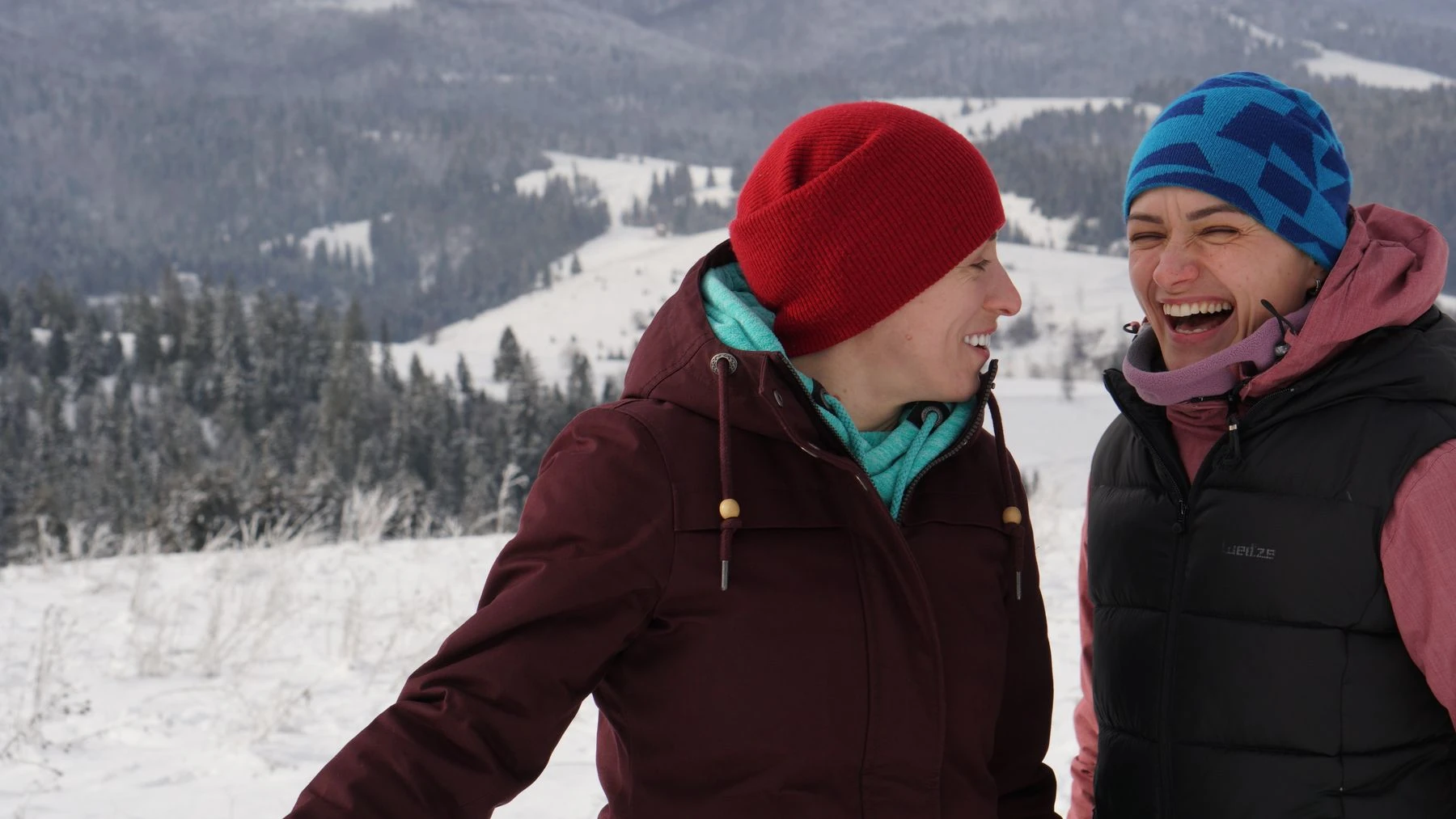
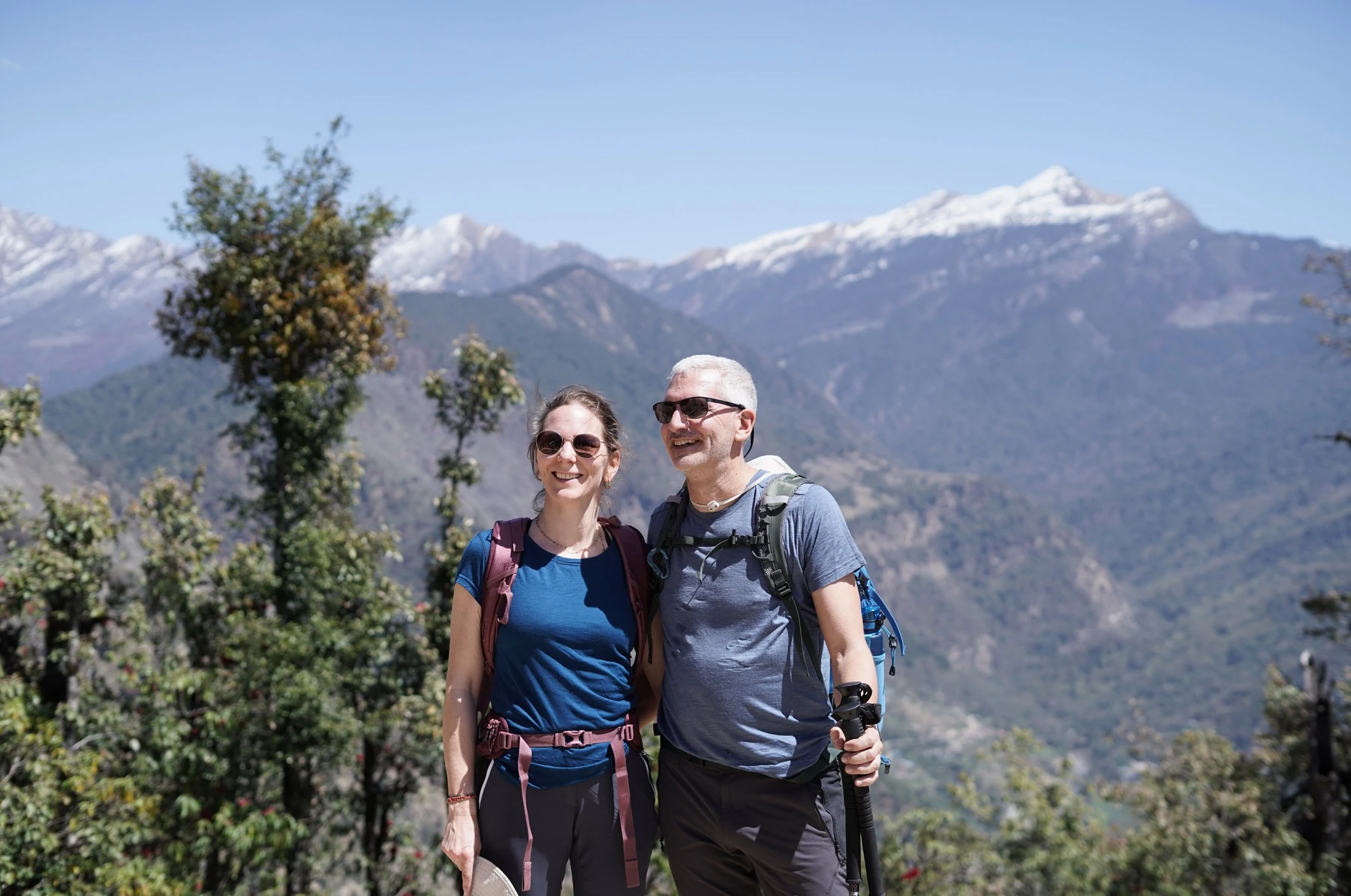
If you are walking together, choose for the whole group. Ask what kind of terrain each person enjoys, how long they want to be out, and whether they would rather keep moving or stop often. A route that suits the strongest walker on paper can make a less enjoyable day for everyone else.
You can also adjust the plan without changing the place. Walk the first half of a trail and turn back at a viewpoint; take the shorter of two loops; or meet for a riverside path instead of a climb. Agree on a turnaround time before setting out, and count the time needed to get back. If you want more ideas for sharing a route well, read Walking Together at Different Paces.
Make the choice with three honest questions
When you have narrowed the list to two or three trails, ask:
- Can I picture the return? Include the last climb, the final mile, and the drive home in your mental plan.
- Would I still enjoy this if we move more slowly than expected? Leave room for a snack, a conversation, or a view.
- What would make me change course? Agree in advance that worsening weather, uncertain footing, a closure, or someone feeling uncomfortable is a good reason to turn around.
For example, imagine you have three hours free and a friend coming along. One route is a steep two-mile climb to a summit; another is a four-mile level loop with little shade; a third is a wooded out-and-back with a river overlook after a mile. On a hot afternoon, the wooded route may offer the best balance of interest and flexibility. On a cool day when both of you want a climb, the summit may be the better choice. The distance alone cannot decide for you.
Before you leave the trailhead
Open the route map one more time and identify the first junction, your intended turnaround point, and the way back. Check the latest notice at the trailhead; it may be newer than the page you read at home. Carry water, food, suitable layers, and the other essentials appropriate to the place and length of the walk. For a remote route, let someone know your plan and expected return.
Then start at a pace that lets you look around. There is no prize for making every outing the longest one available. A trail is a good choice when it gives you the kind of day you came outside to have—and leaves you looking forward to the next one.