The Gear That Earns Its Place in Your Pack
Choose outdoor gear by the moments it helps with, the comfort it brings, and how reliably you can use it.
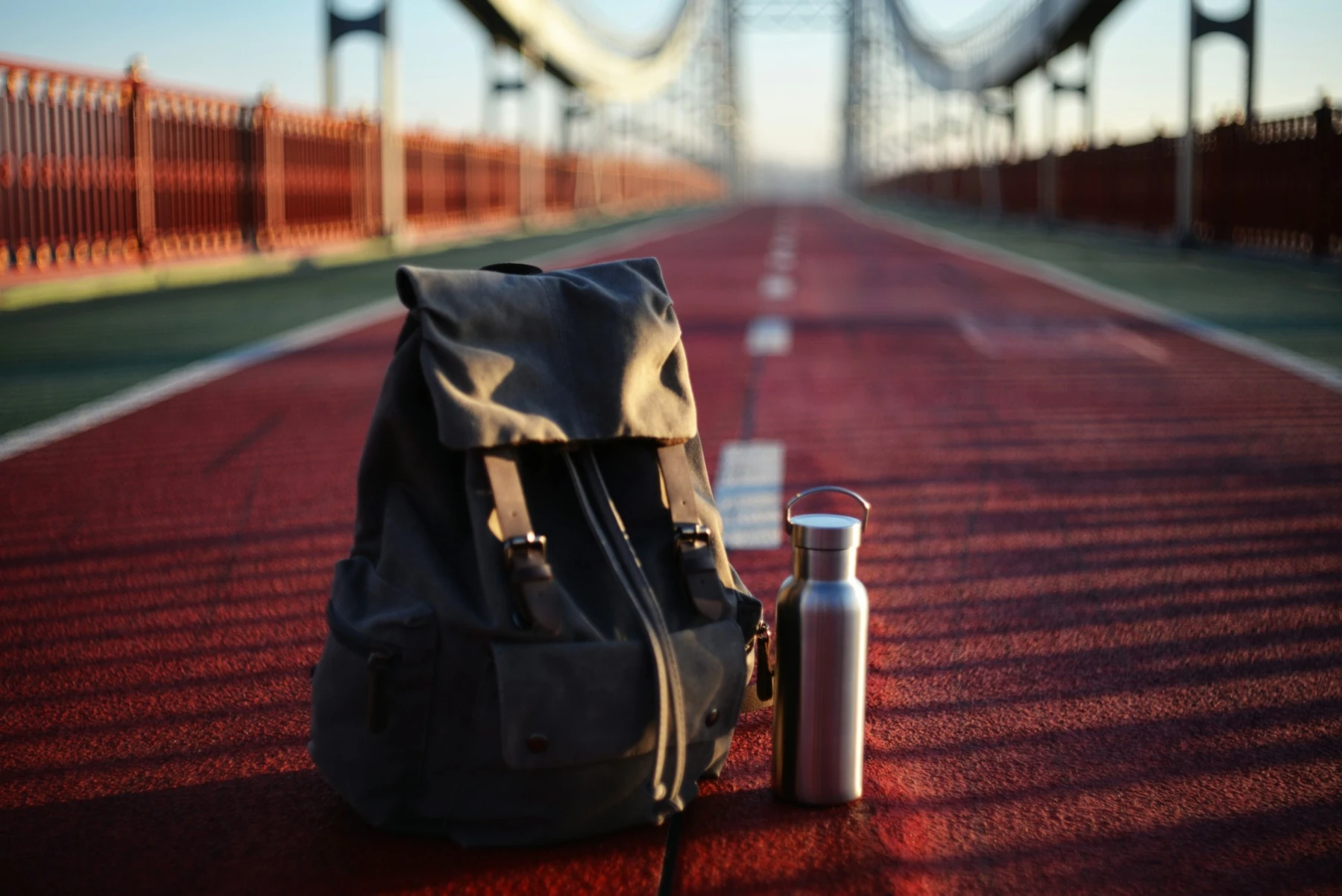
A well-packed day bag tells you something about the person carrying it. The water bottle is easy to reach. The rain layer is near the top because the forecast is uncertain. There is a small item that has come on every walk for years because it simply works.
Good gear earns its space by making a real moment outside easier. It might help you find the way back, stay comfortable when the wind picks up, or use your hands with confidence on uneven ground. The useful question is not “What is the most advanced item?” It is “What will I be glad I brought on this particular walk?”
Start with the essentials, then add for the route
Every pack begins with preparation. The National Park Service organizes its Ten Essentials into categories that cover navigation, sun protection, extra clothing, light, first aid, fire, repair tools, extra food, water, and emergency shelter. What each category looks like in your bag depends on the setting and the rules of the place you are visiting. Learn to use what you carry; an unfamiliar tool is less helpful when you need it.
Then consider the route in front of you. A remote, all-day hike asks for more self-sufficiency than a short, well-marked path near town. A hot, exposed route calls for a different clothing and water plan than a cool forest walk. Check the forecast, route details, facilities, and land manager’s alerts before adjusting your pack. Leave your route and expected return with someone when heading somewhere remote.
Packing with intention does not mean stripping away the things you may need. It means knowing why each item is there.
Put comfort where you can reach it
A small inconvenience can become the thing you remember from a long day. Look at the pieces you touch repeatedly: shoes, socks, pack straps, water bottle, layers, and any poles you carry. If something rubs, slips, digs in, or takes too much effort to use at home, a trail is unlikely to improve it.
Try the packed bag on before leaving. Walk around with the actual weight you plan to carry. Can you reach water without unpacking everything? Can you put on your rain layer without setting small items in the dirt? Does the bag stay comfortable when you climb stairs or bend to tie a shoe?
The National Park Service recommends checking equipment and learning how to use it before a hike. A short practice walk close to home is a good place to notice what needs adjusting.
Decide whether a new item solves a real problem
When a piece of gear catches your eye, connect it to a moment you have actually experienced:
- “I struggle to open this with gloves on.” Look for a simpler closure or control that you can operate with the gloves you wear.
- “My hands get tired of holding this.” Test the shape, grip, and balance for several minutes, not just at first touch.
- “I cannot find my layer when the weather changes.” Consider pack organization before buying a larger bag.
- “This is always in my way when I stop using it.” Check its packed size and how securely it attaches to your bag.
Specs can narrow a search, but your own use should settle it. A lighter item is not much help if it is uncomfortable. An impressive feature adds little if you cannot use it quickly and reliably. Fewer, better-understood pieces often make for a calmer walk.
Where trekking poles fit
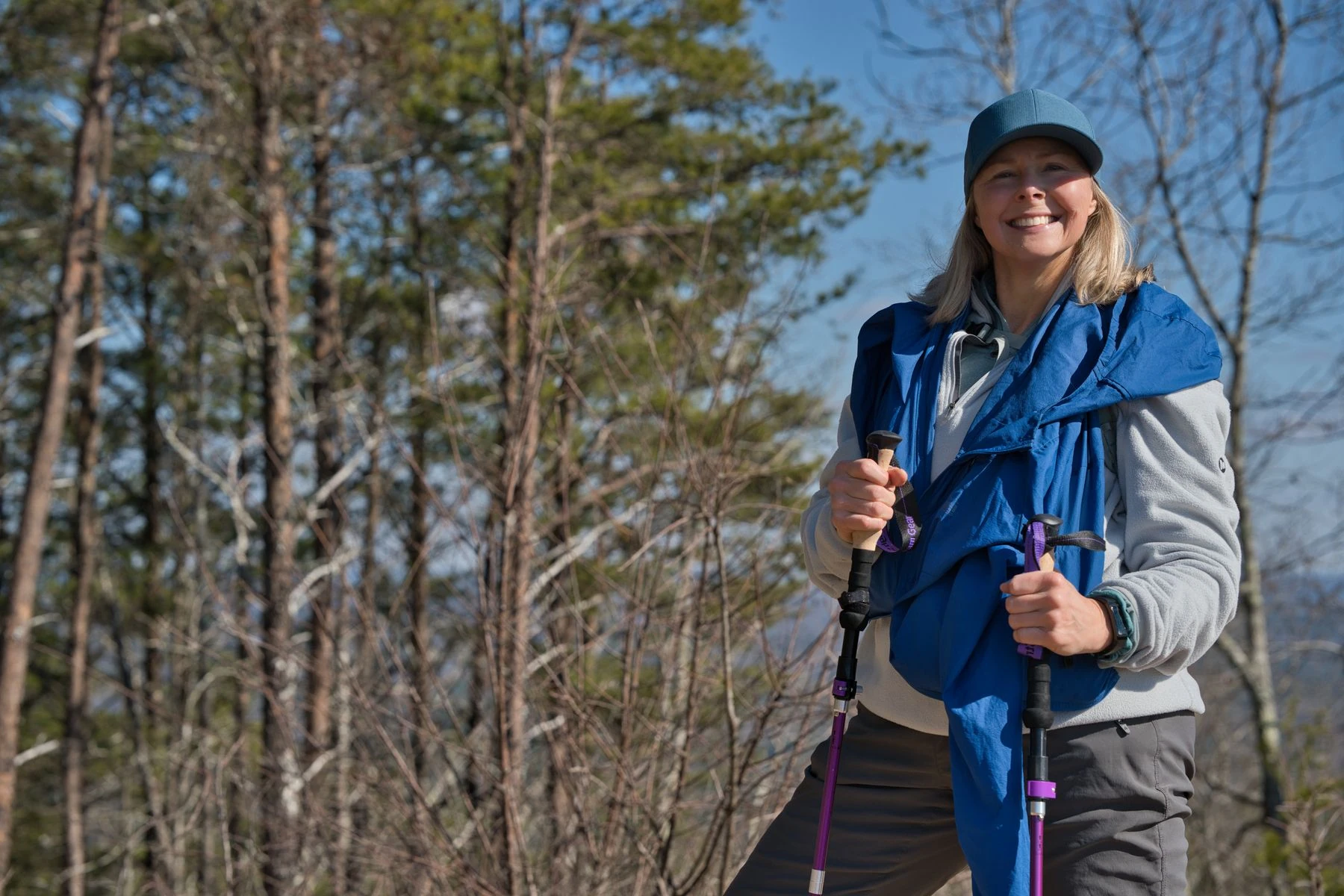
Poles are a good example of optional gear that should have a clear job. Some walkers like an extra point of contact on varied ground or a steady rhythm on longer routes. Others prefer free hands on a simple path. If you are considering poles, pay attention to the grip, the ease of adjustment, the security of the locks, and the packed size before focusing on shaft material alone.
Our guide to choosing trekking poles walks through those choices. Our Carbon Fiber Trekking Poles are one option with a cork grip and a collapsible design. Check the product’s working length and details against your own route and pack before deciding whether they belong in it.
Keep what works, care for what you carry
After a few outings, notice which items you used and which you forgot were there. Keep your essentials, even if the day went smoothly. For optional pieces, ask whether they improved the walk or simply came along. Over time, that honest review creates a kit suited to your routes rather than someone else’s packing list.
Dry damp gear before storing it. Replace worn parts, refill supplies you used, and check batteries, closures, and poles before the next trip. A familiar piece of gear that works every time has earned more trust than a newer one still sitting in its box.
The right pack is rarely the fullest or the lightest. It is the one you can carry comfortably, use without fuss, and rely on for the day ahead.